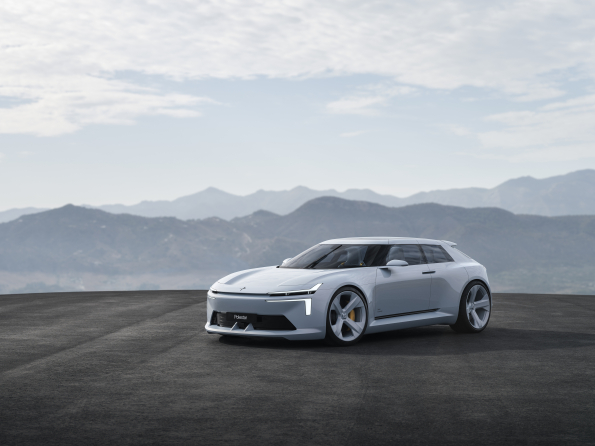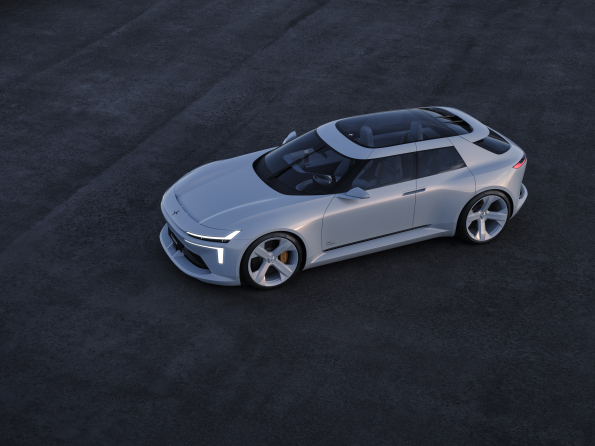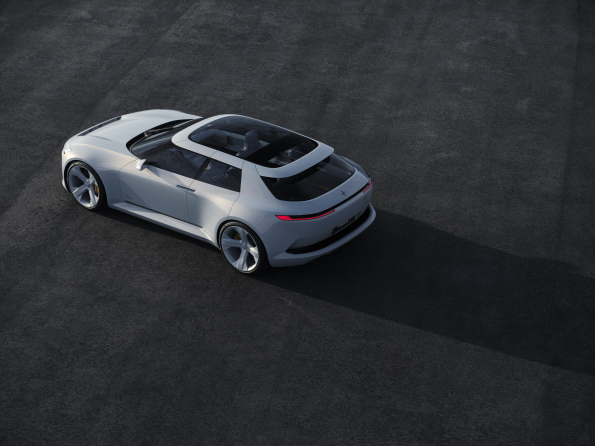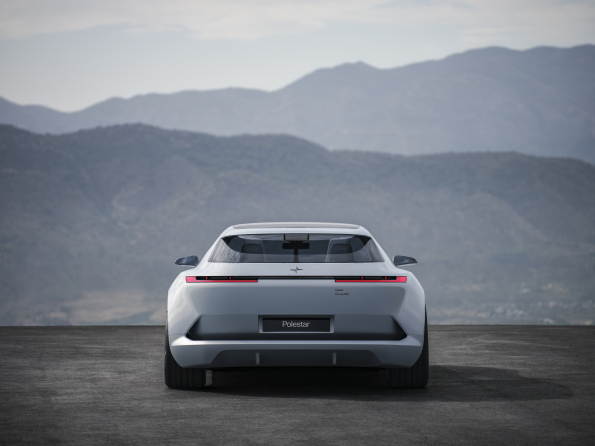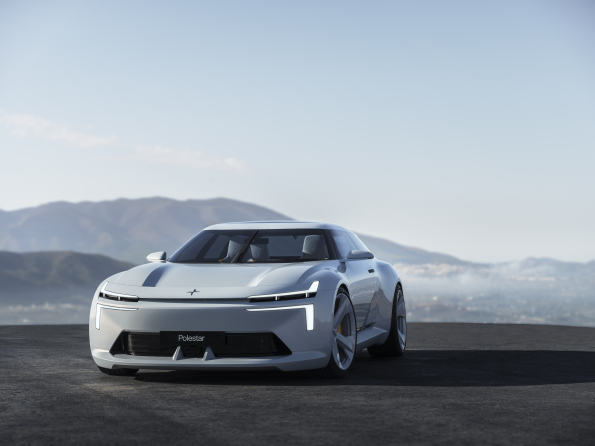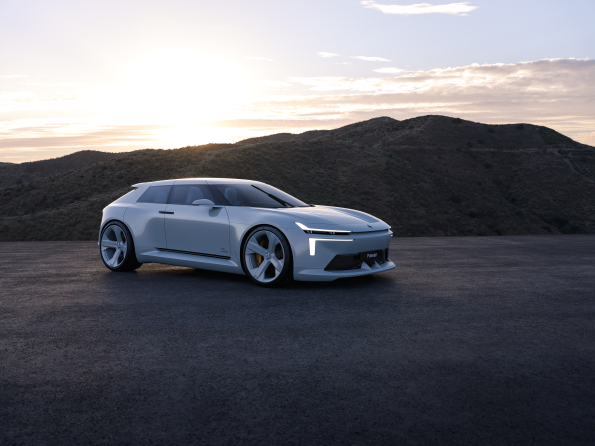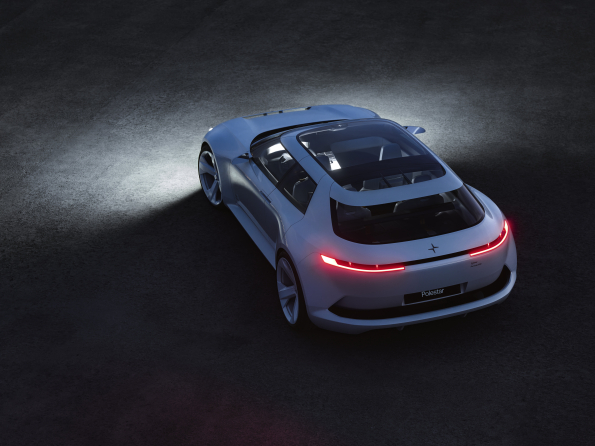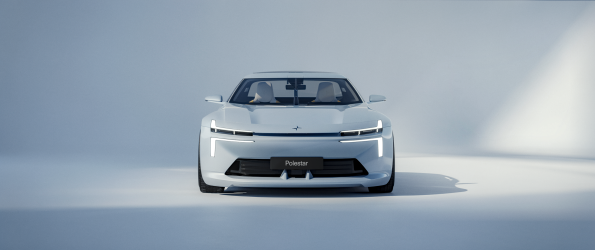
Every Polestar story for a decade has started with the same comparison, and the brand is done with it. Polestar has previewed its next-generation design language with the Formula 2030 concept, a compact four-door sports car that the brand says will shape the designs of the upcoming Polestar 2 redesign and the Polestar 7. It is the first show car built under the supervision of Philipp Römers, Polestar’s Head of Design, and it exists to make one argument: whatever Polestar looks like next, it will not look like a Volvo.
Quick Take:
- The Polestar Formula 2030 concept previews the brand’s next-generation design language.
- Its front end, with refined Dual Blade headlights, previews the face of the upcoming Polestar 2 redesign; the design also shapes the Polestar 7.
- It is the first show car built under Head of Design Philipp Römers.
- Signature details: a visor-style windscreen with a vertical motorsport wiper, Single Blade rear lights replacing the lightbar, a 20-inch HyperDIM driver display and inflatable-bolster sport seats.
- It is a concept only: no price, production date or powertrain details have been announced.
The Face Is the Point
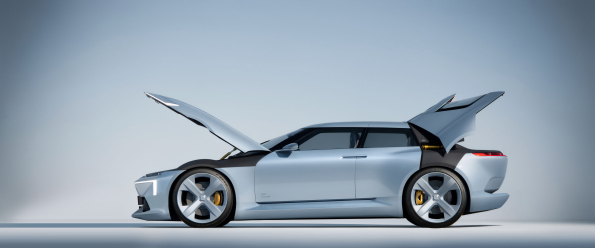
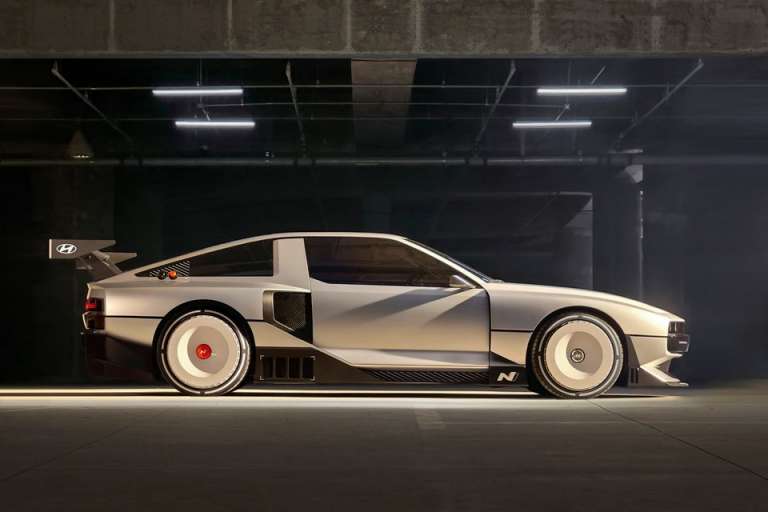
Low and aggressive, the Formula 2030 is a compact four-door sports car with big haunches and an even bigger attitude. The wide front end features a refined take on the brand’s signature Dual Blade headlights, and Polestar is explicit about where you will see it again: the face previews the upcoming redesign of the Polestar 2, the car that launched the brand as a standalone marque and the one whose first generation carried the strongest family resemblance to its former parent.
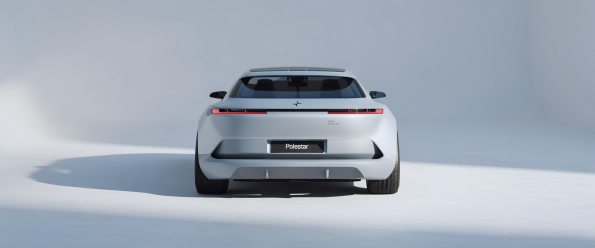
The windscreen tells the same story in a subtler way. A vertically oriented windscreen wiper is a nod to motorsport, positioned on a visor-style windscreen that references the styling of the first-generation Polestar 2. It is a heritage detail pointed at Polestar’s own short history rather than at Gothenburg: the brand is now old enough to quote itself. At the rear, large haunches frame a new light signature, swapping the full-width lightbar that defined the last era of performance EVs for Single Blade rear lights, a cleaner and more distinctive mark.
A Cabin Built Around the Driver
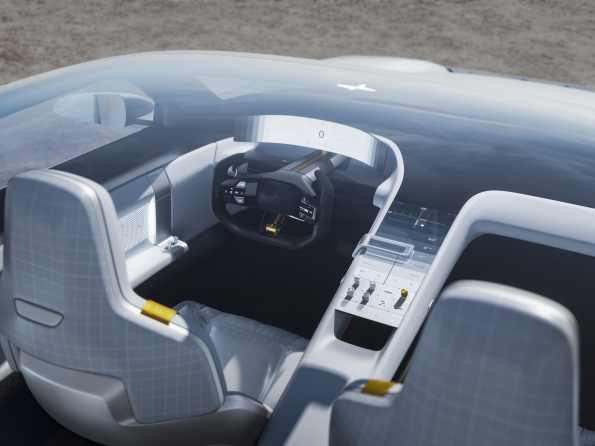
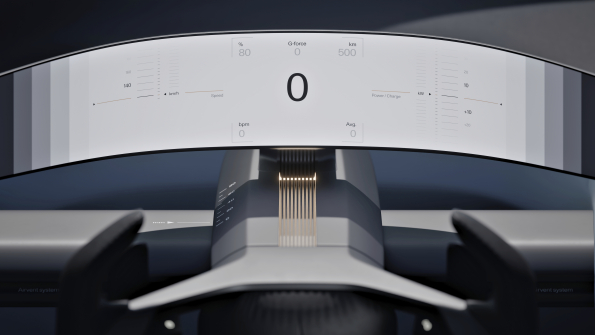
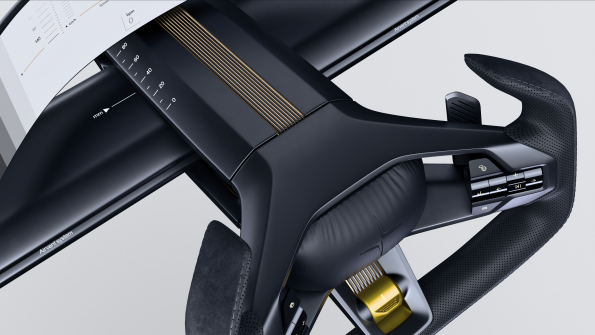
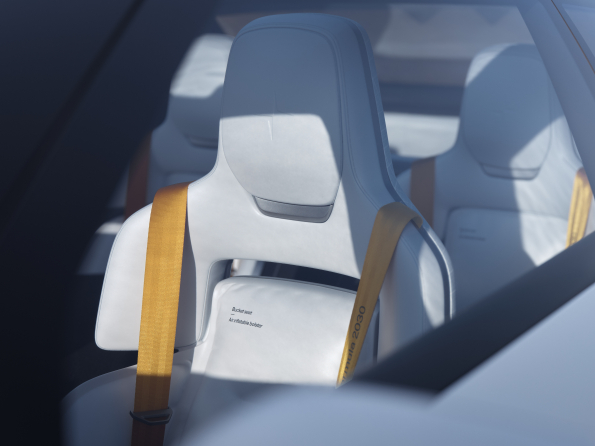
Inside, the driver-focused cabin features a 20-inch HyperDIM, a curved Driver Information Monitor mounted directly to the steering column, accompanied by a 12.2-inch Center Screen Display. Sporty seats with air inflatable bolsters and cushions conform to each of the four passengers, and a horizontal interior band with indirect lighting wraps around the driver and the entirety of the interior.
The layout matters as a statement of priorities. Two screens, one of them mounted to the column so it moves with the wheel, and seats that inflate to hold four people in place: the concept’s interior is selling driving, not lounge space. For a brand whose cars have been praised as much for their Scandinavian calm as for their pace, Formula 2030 tilts the balance toward the sports car side of the ledger, which is precisely the territory a certain Swedish cousin never occupied.
Why the Volvo Comparison Became the Problem
If there was one thing Polestar had trouble shaking, it was the ongoing styling similarity comparisons to its cousins over at Volvo. The comparison was never an insult to the cars themselves: early Polestars were handsome, and the Polestar 2’s fastback profile was genuinely distinctive. But a premium performance brand cannot build an identity on resemblance, and every shared design cue gave reviewers a shortcut and buyers a question: why pay Polestar money for a car that looks like the Volvo next to it?
Formula 2030 is the structural answer. A new head of design’s first show car is a line in the sand moment for any marque, and Römers has used his to establish a face, a rear signature and a cabin philosophy that belong to Polestar alone. The pieces that carry forward, the Dual Blade headlights and the visor windscreen’s nod to the first Polestar 2, are Polestar’s own greatest hits rather than borrowed ones. The pieces that disappear, most visibly the lightbar, are the ones that had become generic across the industry.
What Formula 2030 Tells Us About the Polestar 2 and Polestar 7
Concepts are promises with fine print, but the brand has been unusually direct about the lineage here: this design language will shape the redesign of the Polestar 2 and the Polestar 7. Read literally, that means the Dual Blade front end, the Single Blade rear signature and the driver-first cabin layout are the vocabulary those production cars will speak, softened for manufacturing and regulation but recognizable. The four-door sports car proportions, a compact footprint with haunches that belong on something far more expensive, are the silhouette the brand wants associated with its name.
What the concept does not do is talk about power, range or price. There are no powertrain details, no production timeline and no announcement of a Formula 2030 road car. The show car is a design manifesto, nothing more and nothing less, and its success will be measured when the first production car wearing this face reaches a road and nobody reaches for the Volvo comparison to describe it.
Reading the Details Like a Designer
Concept cars communicate in details, and the Formula 2030’s details divide into two groups: the ones that quote Polestar’s own past, and the ones that break with the industry’s present. In the first group sits the visor-style windscreen, a reference to the first-generation Polestar 2, and the Dual Blade headlights, refined rather than replaced. A young brand quoting its own first car is doing something deliberate: it is declaring that its heritage, short as it is, is now the source material, not the back catalogue of a parent company.
In the second group sits the rear. The full-width lightbar became the default signature of the performance EV era, adopted by so many brands that it stopped identifying any of them. Swapping it for Single Blade rear lights is the concept’s clearest break, a narrower, more graphic mark that can belong to one brand only. The same logic runs through the cabin. Mounting the curved Driver Information Monitor directly to the steering column is a driver’s detail, the kind of choice made by people thinking about hands and sightlines rather than screen size contests, and the air inflatable bolsters answer a real problem with fast electric cars: instant torque and heavy cornering loads need seats that hold four people properly, not two.
What This Means If You Are Waiting on a Polestar
For buyers, the practical read is patience with a direction. The Polestar 2 redesign and the Polestar 7 will wear this face, which tells current shoppers two things: the brand’s design centre of gravity is moving toward the sports car end of its range, and the cars that arrive wearing Single Blade rear lights will mark a clean generational break from everything Polestar has sold so far. What the concept deliberately withholds, power, range, price and timing, is the information that decides purchases, and none of it has been announced. Formula 2030 is a promise about how the next Polestars will look and feel from the driver’s seat. The rest of the promise is still unwritten.
Frequently Asked Questions
What is the Polestar Formula 2030?
A concept car previewing Polestar’s next-generation design language. It is a compact four-door sports car and the first show car built under Head of Design Philipp Römers.
Which production cars will use this design?
Polestar says the language will shape the upcoming redesign of the Polestar 2 and the Polestar 7, starting with the Dual Blade front end previewed on the concept.
What are the concept’s standout details?
A visor-style windscreen with a vertical motorsport wiper, Single Blade rear lights replacing the lightbar, a 20-inch HyperDIM driver display on the steering column, a 12.2-inch center screen and seats with air inflatable bolsters.
Can you buy the Formula 2030?
No. It is a design concept only, with no price, production date or powertrain announced.